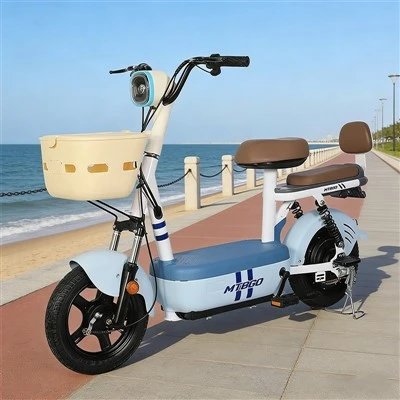
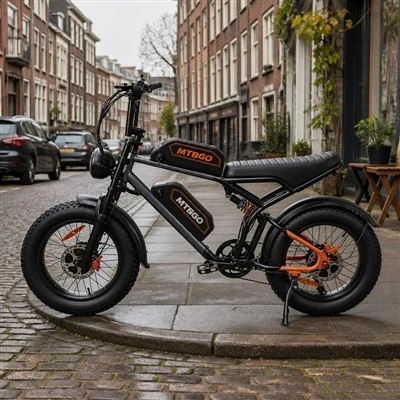
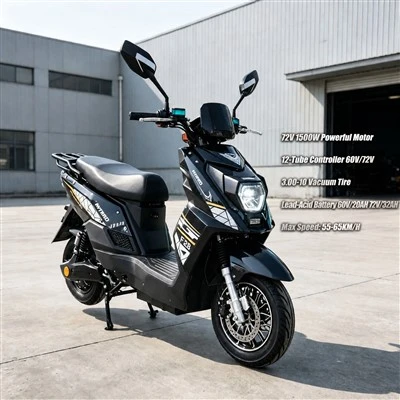
If you’re the owner of a 20 Inch Electric Motorcycle—whether you commute to work, zip around a college campus, or use it for weekend errands—one of the most common questions you might ask is: How often do I need to service it? As a supplier of compact, efficient electric two-wheelers, I’ve fielded this question hundreds of times, and the answer isn’t one-size-fits-all. It depends on how you ride, where you ride, and how well you stick to a regular maintenance routine. Let’s break it down in plain, practical terms, so you can keep your 20-inch e-moto running smoothly for years to come.
First, let’s set the stage: A 20-inch electric motorcycle is different from a full-size high power electric motorcycle, thanks to its smaller frame, lighter weight, and focus on maneuverability over raw speed. The compact wheelbase makes it ideal for tight spaces, but that also means its components (like the chain, brakes, and battery) work a little differently than those on larger models. For example, a lithium battery electric motorcycle built on a 20-inch platform is designed for shorter trips, so its charging and discharge cycles are more frequent in a day-to-day context, which impacts how often its systems need checks.
Start with the basics: What counts as “service” for an electric motorcycle? Unlike gas-powered bikes, there’s no oil changes or spark plug replacements. Most service tasks are preventive—catching small issues before they turn into big, expensive problems—and focusing on the parts that take the most wear, even on electric models. That includes the drivetrain, brakes, tires, battery, and electrical connections. How often you do these checks depends on your riding habits, so let’s split it into two main categories: regular, light-use riders and frequent, heavy-use riders.
If you ride your 20-inch electric motorcycle 10 to 15 miles a day, mostly on smooth, flat roads (like a bike lane or campus path), you can get away with basic service every 6 months. But let’s be real: Many of us use these little e-motos for more than that. If you’re commuting 30+ miles daily, riding on uneven pavement, or carrying extra cargo, you’ll need more frequent checks. Even then, following a consistent schedule—adjusted to your use—will keep your bike reliable.
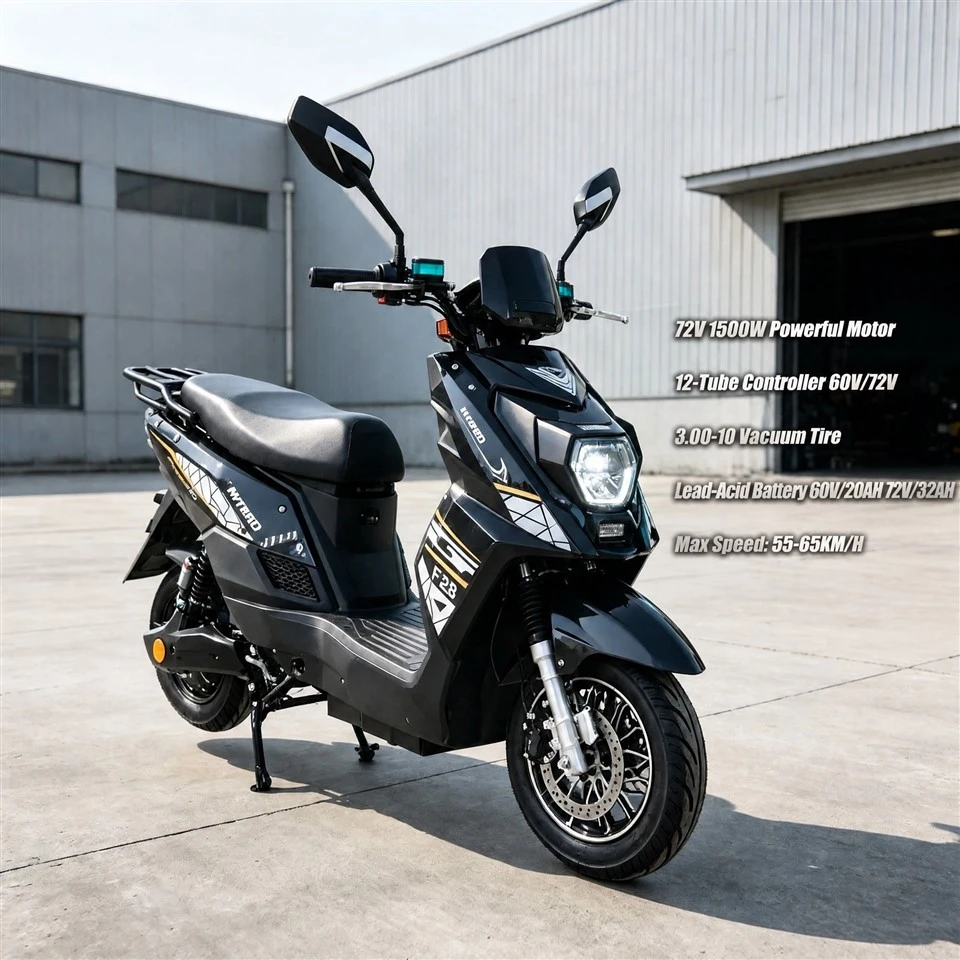

Let’s dive into specific components, because that’s where the service frequency gets concrete. First, the drivetrain: Most 20-inch electric motorcycles use a chain-driven system (some have belt drives, but chains are common here). Chains stretch, collect dirt, and wear out, especially if you ride in wet or dusty conditions. For light riders, cleaning and lubricating the chain every 200 to 300 miles makes sense, and a full tension check every 6 months. For heavy riders, that jumps to every 100 to 150 miles—because extra weight puts more strain on the chain. Skipping this can lead to a noisy chain, skipped gears, or even a broken component mid-ride, which is a hassle no one wants.
Next up: Brakes. Electric motorcycles, even 20-inch ones, stop just as often as their gas counterparts—maybe more, if you’re navigating crowded areas. Brake pads wear down over time, and brake fluid (if your model has hydraulic brakes) can absorb moisture, which reduces stopping power. For light riders, a brake pad check every 6 months is standard; heavy riders should check them every 3 months. You’ll know it’s time if the brake lever feels spongy, or if the pads are less than 3 millimeters thick. Pro tip: Unlike gas bikes, many electric models have regenerative braking, which takes some pressure off the regular brakes, so you might not need pad replacements as often—but don’t skip checks, especially if you ride in hilly areas where you use brakes more.
Tires are another big one. A 20-inch wheel is small, so tire wear is more noticeable than on a larger motorcycle. Tires lose air over time, even if you don’t ride much, and riding on underinflated tires reduces range, makes handling sloppy, and increases wear. For light riders, check tire pressure (aim for the PSI listed on the tire sidewall, usually around 30-35 for 20-inch models) every month, and get a full tire inspection (looking for cuts, bulges, or embedded debris) every 6 months. For heavy or frequent riders, check pressure every two weeks, and inspect tires every 3 months. If you do a lot of off-road or rough road riding, you might even need to rotate tires (or replace them) a bit sooner, since the small 20-inch wheel takes more impact from uneven surfaces.
The heart of any electric motorcycle is the battery, and a lithium battery electric motorcycle in particular needs careful attention. You don’t need to “service” it in the traditional sense, but following charging best practices is a form of maintenance that affects its lifespan. For light riders, who charge their bike 1-2 times a week, inspect the battery terminals (making sure they’re clean and free of corrosion) every 6 months. For heavy riders, charging daily, check terminals every 3 months, and also have a professional test the battery’s capacity once a year. Over time, lithium batteries lose a bit of their range—if you notice a 20%+ drop in range suddenly, that’s a sign it might need a service (or replacement, but that’s a last resort with proper care). One quick note: Don’t leave your battery fully drained or fully charged for long periods. If you’re not riding for a week, charge it to about 50% first—that’s the sweet spot for lithium battery health.
Electrical connections are easy to overlook, but critical. Wires that run from the battery to the motor, or from the handlebar controls to the lights, can come loose or get dirty over time. For light riders, check all connections (make sure they’re tight, no frayed wires) every 6 months. For heavy riders, every 3 months is better, since vibration from frequent riding can loosen small parts. You don’t need to be a mechanic here—look under the seat, near the motor, and around the handlebars for any loose plugs. If you see a wire with exposed insulation, that’s a quick fix to prevent electrical issues.
Wait, but what about professional service? As a supplier of moto electric motorcycles, I recommend a full professional tune-up once a year, no matter how much you ride. A tech can do things you might not catch at home: align the wheel (super important for a small 20-inch bike, since misalignment causes uneven tire wear), calibrate the regenerative braking, test the battery’s health, and check for any hidden wear on parts like the swingarm or bearings. If you ride in extreme conditions—like very cold weather, which can hurt battery performance, or salt roads in winter—you might want that professional tune-up twice a year, in spring and fall, to get your bike ready for changing conditions.
I’ve seen too many riders skip service and end up with a bike that breaks down when they need it most. Last year, a customer of ours brought in a 20 inch electric motorcycle that he’d been commuting on for 18 months, but never serviced. His chain was so stretched it skipped gears, his brake pads were down to the metal, and his battery terminals were corroded so bad the motor would cut out mid-ride. We fixed all those issues, but he told me it cost him a week of missed work before he brought it in. That’s why sticking to a schedule—adjusted to your riding—saves time, money, and stress.
Let’s summarize with a simple, actionable guide, so you don’t have to keep track of complicated numbers:
- Light use (≤15 miles/day, smooth roads): Basic service (chain cleaning/lube, tire pressure check, terminal inspection) every 6 months; professional tune-up once a year.
- Heavy use (≥30 miles/day, uneven/crowded roads): Basic service every 3 months; professional tune-up twice a year.
- Bonus: If you ride in extreme conditions (rain, cold, salt), add a quick check after each bad weather ride (wipe down the chain, check for water in connections) to keep parts from corroding or rusting.
Now, a quick note if you’re in the market for a new e-moto: Not all 20-inch models are the same. If you want extra range for daily commutes, look for a lithium battery electric motorcycle with a higher capacity battery. If you do a lot of city riding, a compact 20-inch model is perfect for maneuvering, but make sure the components are built to handle frequent stop-and-go riding. As a supplier, we’ve tested our 20 inch electric motorcycle lines extensively, and we design them with serviceability in mind—easy access to chains, brakes, and battery terminals, so you don’t need specialized tools to do basic upkeep at home.
If you’re still wondering, “Wait, is there a rule I can follow?” The short answer is: Treat your 20-inch electric motorcycle like a well-used bike. You wouldn’t ignore your bike’s chain or brakes, and the same logic applies here. The smaller size means small issues turn into big problems faster, so being proactive is key. Even high speed electric motorcycle models (though 20-inch ones are more often for city use) follow similar basic service rules—just their parts are built for higher speeds, so checks might be a little more frequent.
At the end of the day, your electric motorcycle is an investment, especially if you rely on it for transportation. Sticking to a regular service schedule won’t just make it run better—it will extend its lifespan, so you can get years of use out of it without unexpected breakdowns. If you have questions about specific service needs for your 20-inch electric motorcycle, or if you’re ready to find a model that fits your riding style, feel free to reach out to us for more information. We’re here to help you keep your ride smooth and reliable.
References:
- Electric Vehicle Maintenance Council. (2022). Preventive Service Guidelines for Two-Wheel Electric Vehicles. EVMC Publications.
- Lithium Ion Battery Association. (2021). Best Practices for Battery Maintenance in Light Electric Vehicles. LIBA Technical Briefs.
- Motorcycle Industry Council. (2023). Compact Electric Two-Wheeler Maintenance: A Practical Guide. MIC Consumer Resources.