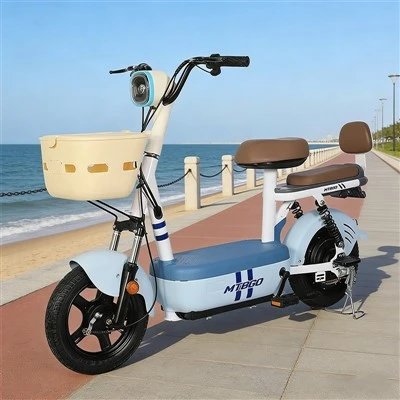
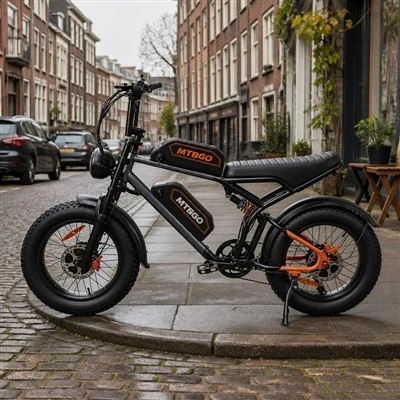
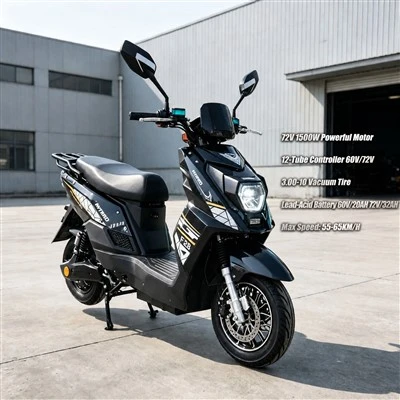
Hey everyone, let’s talk about something that comes up all the time with electric motorcycle buyers – what maintenance do these bad boys actually need? I get it, if you’re used to gas-powered bikes, the whole electric thing can feel a little mysterious at first. No oil changes, no spark plugs to replace? That’s a win, but that doesn’t mean they’re maintenance-free. As an electric motorcycle supplier, I’ve helped hundreds of riders navigate this stuff, and I’m here to break it down like we’re hanging out at a coffee shop after a ride.
First off, let’s start with the big ticket item – your battery. This is the heart of any electric bike, right? Whether you’re rolling on a Lithium Battery Electric Motorcycle (let’s be real, almost all good ones are lithium now) or a different type, taking care of your battery is non-negotiable. I see so many new riders make the mistake of letting their battery drain completely every single time they ride. Don’t do that! Lithium-ion batteries hate being fully discharged. If you can, plug it in when it’s around 20-30% charge, and stop at 80-90% for regular use. That’s way better for its lifespan.
Also, if you have a Fast Charging Electric Motorcycle, I know it’s tempting to juice it up to 100% every time you’re in a hurry, but try not to make that a habit. Fast charging is great for emergencies, but it generates more heat, which isn’t ideal for long-term battery health. And speaking of heat – don’t leave your bike sitting in direct sunlight for hours on end, especially in the middle of summer. High temps kill battery capacity faster than almost anything else. Oh, and every few months, give it a full balance charge (check your owner’s manual for how to do this) to keep all the individual cells working together smoothly. That little step can add years to your battery’s life.
Next up, something riders overlook all the time – the tires. Wait, I know, tires are basic for any vehicle, but electric bikes have extra weight from the battery, so tire maintenance is extra important here. First, check your tire pressure at least once a week (more if you ride a lot or in extreme temps). Underinflated tires don’t just kill range – they make your bike way harder to handle, and they wear out prematurely. If you’re on a 20 Inch Electric Motorcycle, those smaller tires can lose pressure faster than bigger ones, so they need more frequent checks. I keep a tiny portable tire pressure gauge and a mini pump in my bike’s storage compartment – easy peasy.
Also, don’t skip regular tire rotations and alignments. Electric motorcycles often have a lot of torque, especially if you’re rocking a High Speed Electric Motorcycle or High Power Electric Motorcycle, which puts more stress on the rear tire. Rotating them every 3,000 miles or so will make them last way longer, saving you money in the long run. And if you hit a pothole or a curb, get your alignment checked right away – even a tiny misalignment can throw off your handling and wear tires unevenly.
Now, the brakes. This is another area that’s different from gas bikes, and I’ve seen way too many people mess it up. Most electric motorcycles use regenerative braking, which means the motor helps slow you down and charges the battery at the same time. That’s awesome for efficiency, but it means your traditional brake pads don’t wear out as fast as they would on a gas bike. But that doesn’t mean you can ignore them! You should still check your brake pads every 5,000 miles, and look at your brake fluid every year or so (just like some gas bikes, but less often).
Wait, and if you have hydraulic brakes, make sure there’s no leakage – that’s a quick fix if you catch it early, but a pain if you let it go. Also, don’t forget your brake lines – make sure they’re not cracked or pinched, especially if you ride on dirt or gravel. It’s a simple visual check every time you do your pre-ride inspection, and it can prevent a big problem later.
Then there’s the stuff that’s just good general maintenance, but even more important for electric bikes. Let’s start with the chain (if you have a chain drive – some electric bikes have belt drives, but a lot still have chains). Your chain needs to be lubricated every 500-1,000 miles, and adjusted when it starts to feel too loose. Too loose, and it can slip or come off; too tight, and it puts extra stress on the motor. If you have a belt drive, you still need to check it occasionally for wear or cracking – just not as often as a chain.


What about the electrics? All the wiring, connectors, and the controller box. You should do a quick visual check every month – make sure none of the wires are frayed, all the connectors are tight (but don’t over-tighten them!), and the controller isn’t covered in dirt or water. A lot of new riders don’t realize that even a little dirt in a connector can cause weird issues like intermittent power loss. If you ride in rain a lot, maybe hit the connectors with a little dielectric spray every few months to keep water out.
Also, the suspension. Whether you have front forks and a rear shock, you need to check them for leaks, and make sure they’re adjusted to your weight and riding style. If they’re feeling bumpier than usual or making weird noises when you go over small bumps, that’s a sign they need some attention. Electric bikes are heavier, so your suspension has to work a little harder to keep you comfortable and in control.
Wait, let’s talk about something specific that I always remind buyers of – software updates. A lot of modern electric motorcycles have built-in software that controls everything from battery management to motor performance. The manufacturer will release updates every now and then to fix bugs, improve range, or add new features. You don’t have to be a tech whiz to do this – most of the time, you just plug your bike into your computer or connect it to an app on your phone, and the update runs automatically. I can’t tell you how many times a rider has complained about their bike feeling sluggish, and a quick software update fixed the whole thing. Don’t skip those!
Let’s also chat about pre-ride checks, because that’s something everyone should do, no matter what kind of bike you have. Before you head out, take 2 minutes to: check tire pressure and look at tires for damage, make sure your brakes work, turn on the bike and check that the battery level is good, and give the handlebars a twist to make sure they turn smoothly. For electric bikes, I also like to do a quick “power test” – accelerate gently from a stop to make sure there’s no weird delay or cutting out. It’s just a few minutes, and it can prevent you from being stranded on the side of the road.
Now, let’s address a common question – how often do you really need to do all this stuff? For most casual riders (you know, commuting to work on weekdays and cruising on weekends), that battery check? Once a month, max. Tires? Once a week. Brakes? Every 5,000 miles. Chain lube? Every 500. It’s way less frequent than gas bike maintenance, which is one of the best parts of going electric. I think that’s why so many people make the switch – no more monthly oil changes, no more replacing spark plugs every 10k miles.
But wait, what about common mistakes I see? Oh, tons. Like, some riders try to save money by using regular old gas station grease on their chain – don’t do that! It collects dirt and grime way faster, which wears out the chain and sprockets. Use motorcycle-specific chain lube, or if you have a belt drive, get the right belt cleaner and conditioner. Another mistake is letting dirt build up on the motor. The motor is sealed, but too much dirt and mud can get into the vents and cause it to overheat. Wipe down your motor every few weeks with a soft cloth, especially if you ride in wet or muddy conditions.
Also, storage. If you’re not going to ride your bike for a while – say, over the winter – make sure it’s stored properly. Charge the battery to about 50% (that’s the sweet spot for long-term storage), keep it in a cool, dry place, and check the charge every month or so. If you leave it fully drained, the battery will die prematurely, and if you leave it fully charged all the time, that’s bad too. I see this all the time with people who buy a bike and only ride it in the summer – they plug it in and forget about it, and by spring, the battery’s shot. Don’t be that guy.
As an electric motorcycle supplier, I always tell new riders that maintenance isn’t just about fixing things when they break – it’s about taking care of your bike so it takes care of you. These are awesome machines, with tons of power, instant torque, and way lower running costs than gas bikes, but they still need a little TLC. The good news is, it’s all pretty simple stuff, nothing like the complex maintenance on old gas bikes.
Let me wrap this up. The main maintenance points? Take care of your battery (charge smart, don’t overheat it), keep your tires properly inflated and rotated, check your brakes regularly, lube your chain (or belt), do quick electrics checks, don’t skip software updates, and store it right when you’re not riding it. It’s not rocket science, but it’s important.
If you’re in the market for an electric motorcycle, no matter if you’re looking for a zippy commuter, a high-powered ride, or something specific like a 20-inch model, we’ve got you covered. We can help you pick the right bike for your needs, and we’ve got all the tips and parts you need to keep it running smoothly for years. Whether you’re into fast charging, lithium battery tech, or high-speed rides, we’ve got options for every style.
If you’re ready to chat about upgrading to electric or have questions about maintaining your current bike, hit us up to connect. We’re here to help, no matter what.
References:
- Electric Motorcycle Battery Maintenance Guidelines. Motorcycle Industry Council, 2023.
- Tire Care for Heavy-Duty Electric Two-Wheelers. Rubber Manufacturers Association, 2022.
- Regenerative Braking and Brake System Maintenance for EVs. Institute of Electrical and Electronics Engineers (IEEE), 2023.
- Long-Term Storage Best Practices for Lithium-Ion Batteries. International Energy Agency (IEA), 2022.
- Software Update Protocols for Modern Electric Motorcycles. Motorcycle Electronics Association, 2023.