


The same electric bicycle, declared as a finished unit or as a box of components, lands at two different costs. What separates them is seldom the headline duty rate. It is how the taxable value is built, how origin is determined, and how much local value has to be added - three rule sets working at once. When a buyer and a supplier sit down to discuss knock-down kits, they are really negotiating how those three are split.
The three forms the trade talks about are separated at the frame. CBU is the complete unit, ready to sell out of the carton. SKD is semi-knocked-down: the frame arrives welded and painted, and wheels, electrics and body parts go on after landing. CKD is fully knocked down: tube, extrusion, unpainted parts and components ship in separate cartons, and the local operation starts at cutting and welding. The deeper the tier, the lower the duty, the more local process is created, and the higher the demand on local equipment and people.
Duty is structured this way because its purpose is to protect domestic manufacturing, not to leave importers a side door. A complete unit is usually assessed on the transaction value, which already contains freight and insurance; components carry their own codes, most at visibly lower rates. Since the saving comes from splitting codes, the rules have to close the gap with two gates: origin, and a local value-added threshold. Which tier is available is not the buyer's choice - it is what the rules permit.
Those gates take the form of anti-circumvention review. Import the same kit for several years, do nothing locally but turn screws and apply labels, and the goods can be reclassified as complete units with duty assessed retroactively. Reviews tend to look at three things: whether local operations change the tariff classification, whether local value clears the threshold, and whether real equipment and process records exist on site. Whether a CKD assembly operation survives long term depends on proving those three, not on how the declaration is worded.
The duty saved is not net gain either. Moving to CKD assembly adds four costs: separate cartons raise volume and crate charges; local assembly needs labour, tooling and floor space; quality responsibility shifts from seller to assembler; and a kit carries several times the part numbers of a finished unit, so inventory and tied-up capital grow with it. Below a certain annual volume the duty saved will not support an assembly line - which is the real reason a number of buyers work the numbers and go back to complete units.
CKD assembly is not unboxing and bolting. A welded frame moves, so head tube and bottom bracket coaxiality, rear dropout width and brake mount flatness all have to be pulled back on a jig; unpainted tube needs local pre-treatment - degreasing, phosphating, e-coat or powder - and any step skipped becomes a rust bloom once the container sits in humid heat for weeks; electrics are a discipline of their own, where controller and display protocols, BMS charge and discharge curves, harness routing and sealing may simply not match if the supplier changes.
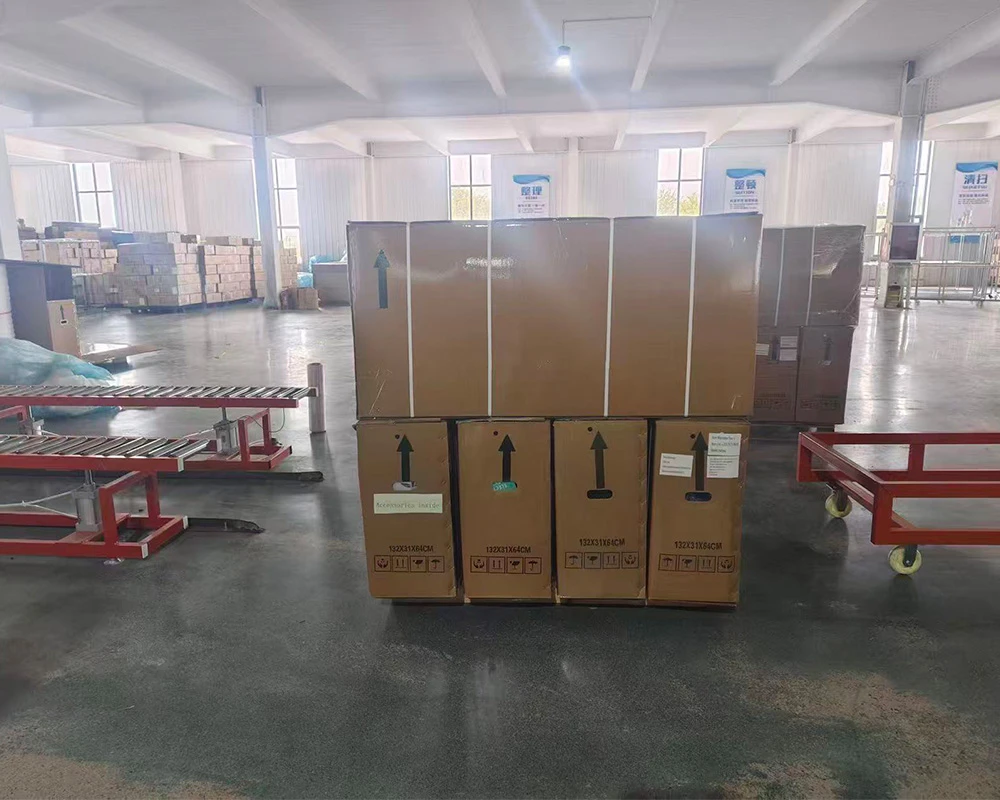
The real dividing line is the battery. Lithium cells travel as dangerous goods, normally at a reduced state of charge, with a UN38.3 test summary and a Class 9 declaration, and many lanes require the battery and the vehicle to be packed, sometimes shipped, separately. That leaves two routes: send the battery with the kit and fit it locally, or buy cells locally and build the pack. The second saves freight but drags in cell consistency, BMS firmware versions and pack certification - the certificate held for the original pack does not cover a pack with different cells.
Compliance comes last and is the most underestimated. Vehicle safety, electromagnetic compatibility and battery safety rarely sit on one certificate; nameplates, manuals and warning labels have to be in the market's language; spare parts lists and warranty boundaries must be fixed in the contract. The dispute that actually happens in CKD assembly is not wrong goods - it is a consistency failure where the seller says the parts were in spec and the buyer says assembly was correct, and nobody owns the finished vehicle.
So the test is not the duty rate. It is three questions: are the part numbers few enough, is annual volume steady enough to feed a line, and is there a local partner who can test and service what comes off it. If all three hold, CKD assembly is worth doing. If only one or two do, SKD is the safer structure - welding and painting stay at the source plant, and the local operation takes final assembly, commissioning and packing. Hebei Xiaotianhang Bicycle Co., Ltd., which operates Guangzong Zhaoyue Factory under Tianhang Group, ships in all three forms - CBU, SKD and CKD - with kits matched to container profiles and split by process step, weld dimension records and battery transport documents travelling with the goods; buyers are welcome to walk the line, or to start with a single container.
Contact
Nickie | +86 193 2201 4900 | nickie@hbxiaotianhang.com


