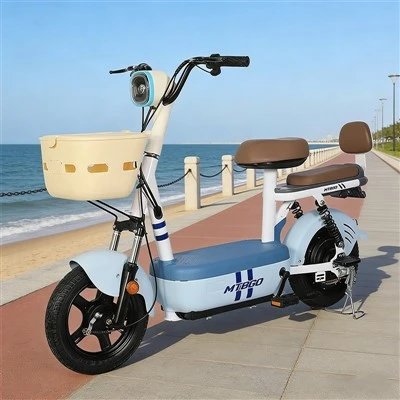
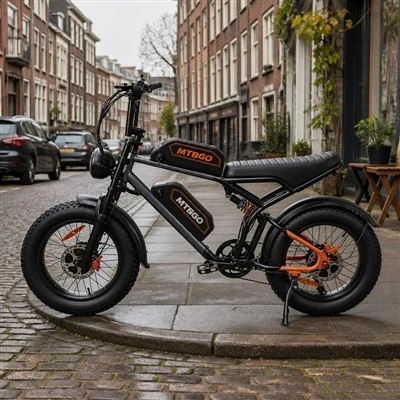
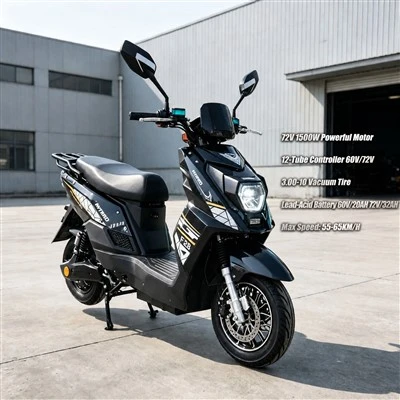
If you’ve ever test-ridden a Moto Electric Motorcycle on a winding backroad or zipped through city traffic, you’ve probably noticed how smooth and silent the ride is—no engine roar, no shifting gears, just instant torque and a quiet hum that feels almost futuristic. But if you’re like most riders considering making the switch from gas-powered bikes, one question bubbles up more than any other: Do these electric rides require a lot of maintenance? As a long-time supplier of electric two-wheelers, I’ve fielded this question hundreds of times, from new riders just starting their research to seasoned mechanics used to tuning carburetors and replacing exhaust pipes. The short answer is no—electric motorcycles do require less maintenance than their gas-guzzling counterparts, but that doesn’t mean they’re totally maintenance-free. Let’s break down what you actually need to know, based on years of working with everything from entry-level 20 Inch Electric Motorcycle models to high-performance High Speed Electric Motorcycle variants.
First, let’s talk about why gas bikes have such a reputation for high maintenance. A internal combustion engine (ICE) has hundreds of moving parts: pistons, valves, spark plugs, fuel injectors, oil pumps, and exhaust systems. Every one of these parts needs regular attention—oil changes every 3,000 to 5,000 miles, air filter replacements, spark plug swaps, carburetor cleans, and timing belt adjustments, just to name a few. A Moto Electric Motorcycle, by contrast, runs on a far simpler system: a Lithium Battery Electric Motorcycle setup that powers an electric motor. That motor has just a handful of moving parts, most of which are sealed and lubricated for life. There’s no oil to change, no fuel filter to clog, no spark plug to foul, no exhaust system to repair or replace. Right off the bat, that eliminates 70% of the routine maintenance most riders associate with owning a motorcycle.
But that’s not to say electric motorcycles need zero work. The maintenance they do require is focused on three core areas: the battery, the tires and brakes, and the electrical connections. Let’s start with the battery, which is the heart of any electric motorcycle. Lithium-ion batteries—used in nearly all modern models, including the ones we supply—are built to last, but they’re sensitive to extreme conditions and improper use. The good news is that most of the work here is proactive, not reactive. For example, storing your Moto Electric Motorcycles in temperatures above 85°F or below 32°F can shorten battery life, so keeping it in a climate-controlled garage if possible is a small, easy step. We always recommend keeping the battery charge between 20% and 80% for long-term storage—avoid letting it fully drain, and don’t leave it plugged in 24/7 once it’s at 100% full. These habits add years to the battery’s lifespan, and since our lithium batteries come with a 5-year warranty, sticking to these simple rules means you won’t have to deal with a costly replacement anytime soon.
Another key area is tires and brakes, which are similar to gas bikes in terms of basic care. You still need to check tire pressure monthly—underinflated tires reduce range and wear out faster, while overinflated tires can lead to a bumpy ride and increased risk of a blowout. For our 20 Inch Electric Motorcycle models, which are popular for commuting and urban riding, the tire size is optimized for maneuverability, but keeping the pressure at the recommended PSI (listed on the sidewall) is non-negotiable for safety. Brakes, too, need regular checks. Electric motorcycles use regenerative braking, which captures energy when you slow down and sends it back to the battery. This means the brake pads and rotors wear much slower than on gas bikes, but they still need to be inspected every 6 months or 6,000 miles. You’ll want to replace brake pads when they get within 1/8 of an inch of the backing plate, and flush the brake fluid every 2 years to prevent corrosion in the lines.


Electrical connections are the third area that requires a little attention, and this is where many new electric riders get nervous. But it’s actually straightforward. The motor, battery, and controller are all connected via heavy-duty cables and terminals. Every 12 months, we recommend inspecting these connections to make sure they’re tight and free of corrosion. Dirt, water, and road grime can build up on the terminals over time, so a quick wipe with a clean cloth and a tiny bit of electrical contact spray (avoid getting it on painted parts) will keep everything running smoothly. You also want to check the charging port regularly—make sure there’s no debris inside, and that the pins aren’t bent. For our Fast Charging Electric Motorcycle models, which use higher-voltage chargers, keeping the charging port clean is even more important to prevent connectivity issues.
Now, let’s put this in perspective with numbers. A typical gas motorcycle owner spends between $500 and $1,500 a year on maintenance, plus the time spent doing oil changes, filter swaps, and tune-ups. For a Moto Electric Motorcycle owner, that number drops to roughly $100 to $300 a year, mostly for tires, brake fluid, and occasional battery checks. The biggest cost to watch for is battery replacement, but as I mentioned earlier, with proper care, lithium batteries last 10 to 15 years—about the same lifespan as most gas engines, with none of the ongoing tune-up costs.
I should also address a common myth: electric motorcycles don’t need any maintenance at all. That’s simply not true. I’ve seen riders who neglected their electric bikes, skipped checking tire pressure, let the battery fully drain every time, and didn’t clean the charging port—and those are the ones who end up with problems. Last year, we had a customer who bought a high-speed model and stored it outside in the Arizona sun for 6 months without charging it or covering the battery. When he came back, the battery was permanently damaged, and he had to replace it for $2,000. That’s a avoidable cost—all it would have taken was moving it to a shaded spot and topping up the charge to 50% every few weeks. The key with electric motorcycles is that their maintenance is simpler, less frequent, and focused on care rather than constant part replacements.
Another factor to consider is the skill level needed for maintenance. If you’re the type who likes working on your own bike, electric motorcycles are a breeze. You don’t need specialized tools for oil changes or carburetor work—just a basic set of wrenches, a tire pressure gauge, and a multimeter for checking battery voltage. Even the more complex tasks, like replacing a brake pad or inspecting electrical connections, are documented in our online manuals and take less than an hour. For riders who’d rather leave maintenance to professionals, most local bike mechanics can work on electric motorcycles now, and many shops even offer electric-specific maintenance packages that are cheaper than gas bike services.
Let’s also talk about the long-term reliability. Our Moto Electric Motorcycles undergo rigorous testing before they hit the market—we run them through extreme temperatures, rough terrain, and thousands of charge cycles to make sure they hold up. In the 7 years we’ve been supplying electric two-wheelers, we’ve found that the most common issues are not with the motor or battery, but with simple, rider-preventable things like low tire pressure or dirty charging ports. The motor itself is built to last the entire lifespan of the bike—we rarely see motor failures under 50,000 miles, even in heavy-use commuter models.
If you’re still on the fence about making the switch, here’s what I’d say: the low maintenance is just one of the many benefits of electric motorcycles, alongside lower fuel costs (you pay about a tenth of what you’d spend on gas per mile), zero tailpipe emissions, and instant torque that makes riding way more fun. Whether you’re looking for a compact 20 Inch Electric Motorcycle for city commutes, a high-speed model for highway rides, or a fast-charging bike that can top up in 30 minutes, our team can help you find the right fit. We’re here to answer any questions you have about maintenance, battery care, or anything else—we’ve worked with riders of all experience levels, and we want to make sure you feel confident in your purchase.
Owning a Moto Electric Motorcycle doesn’t mean you’ll never have to turn a wrench, but it does mean you’ll spend way less time and money on routine upkeep than you would with a gas bike. The key is to stay on top of the simple, proactive steps—check tire pressure, care for your battery, keep electrical connections clean—and you’ll enjoy smooth, reliable rides for years. If you’re ready to learn more about our models or discuss which electric motorcycle works best for your needs, don’t hesitate to reach out. We’re here to help you make the jump to electric riding, with all the benefits and minimal hassle it brings.
References
- Electric Motorcycle Maintenance: A Comprehensive Guide, Electric Vehicle Association, 2023
- Lithium-Ion Battery Lifespan in Two-Wheelers, Journal of Power Electronics, Vol. 22, No. 4, 2022
- Comparative Maintenance Costs of Gas vs. Electric Motorcycles, Motorcycle Industry Council, 2024
- Regenerative Braking Performance and Component Wear, SAE International, 2023