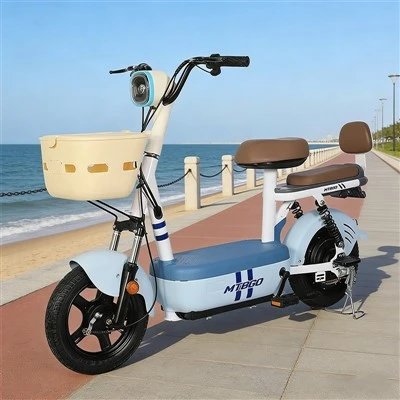
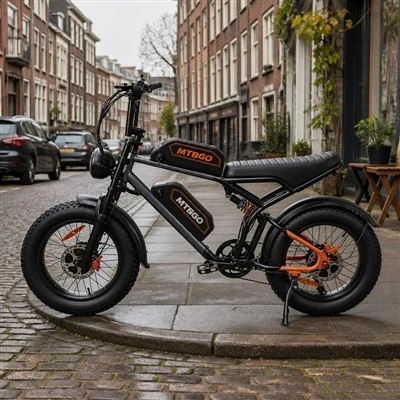
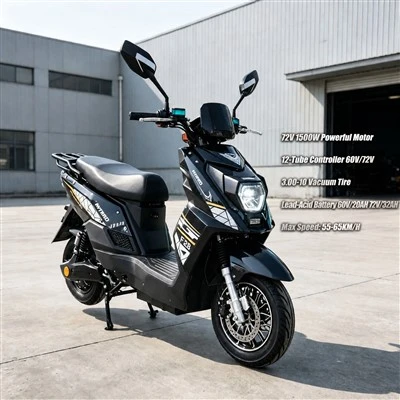
If you’re like me, commuting to work means dealing with crowded trains, overpriced gas, and that never-ending search for a parking spot that doesn’t cost your first-born child. A few years back, I made the switch from a gas car to a 20 inch electric motorcycle for my daily 12-mile ride, and let me tell you— it’s changed the game. But I get it, if you’re new to electric two-wheelers, the question hits different: Is a 20 inch electric motorcycle actually good for commuting? As someone who works with these bikes every day (shoutout to being part of a crew that supplies them), I’m here to break it down without all the stuffy industry jargon. No fancy terms, just real talk about what works for the 9-to-5 grind.
First off, let’s talk size— that 20 inch wheel thing isn’t just a random number. When you’re navigating city streets, weaving through stopped cars during rush hour, or squeezing into tight bike lanes, smaller wheels are way more maneuverable than those big, bulky ones you see on traditional motorcycles. I’ve had customers come in thinking a bigger wheel = more stability, but that’s only for highway rides. For stop-and-go traffic, those 20 inch wheels turn on a dime— I once zipped around a double-parked van in 2 seconds flat that would’ve taken me 10 seconds to do on a bigger bike. Plus, storage? If you’re tight on space for keeping your ride at home or a tiny apartment, a 20 inch electric motorcycle is way easier to tuck in a closet, small garage spot, or even a corner of your office. I’ve had so many commuters tell me they used to rent monthly parking for their old gas bike, but now they just wheel their 20 inch model into their apartment for free. That’s a win right there.

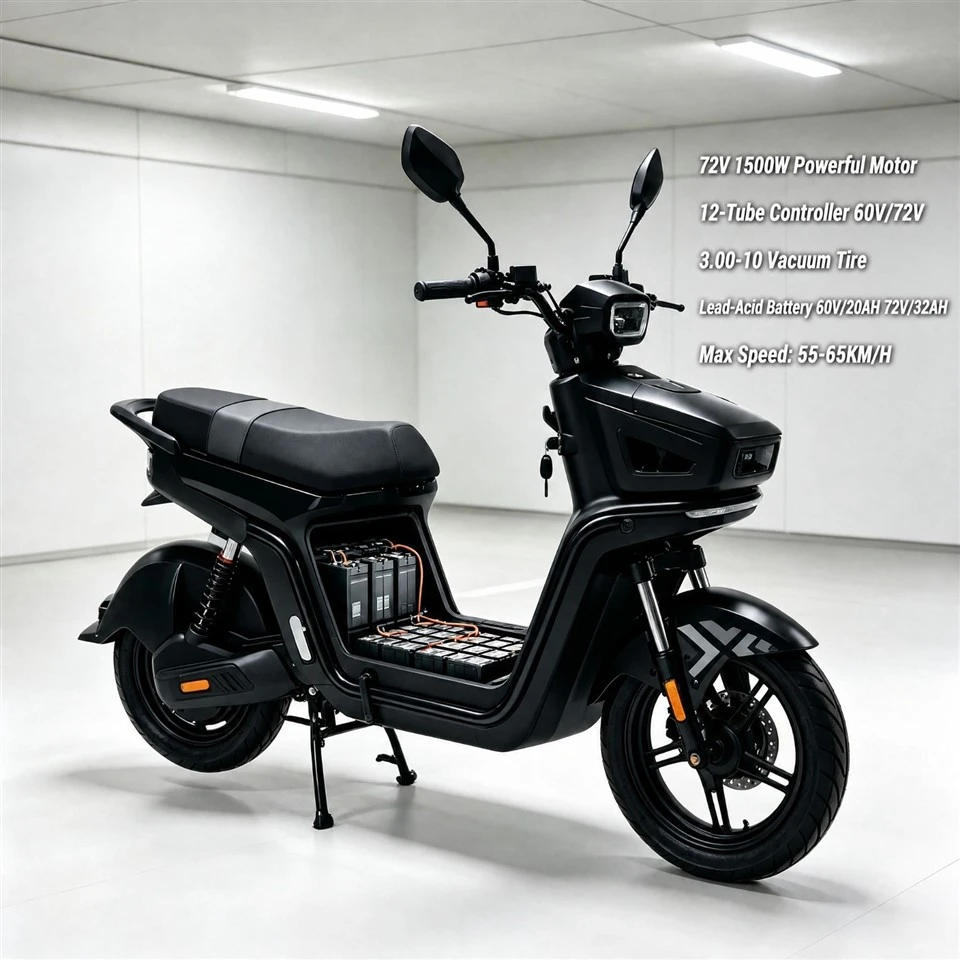
But hold on, it’s not just about being small. What really makes a commuter bike tick is performance that matches your daily routine. Let’s be real— you don’t need a bike that hits 100 mph on your 12-mile ride to the office. You need something that can get you up to speed quick enough to merge onto side streets, handle that last hill before work, and not die on your way home in the rain. That’s where our lineup of moto electric motorcycles comes in. Wait, if you want to check out the specs, you can look at our full range Moto Electric Motorcycles — but for commuting, the sweet spot with a 20 inch wheel is around 25-30 mph top speed. That’s fast enough to keep up with city traffic without breaking any silly local speed limits for small two-wheelers, and it’s way more efficient than a car. I’ve calculated my own commute costs— I pay like $1.50 a month in electricity, versus $80 a week for gas when I had a car. Yeah, math checks out.
Another big commuter pain point? Charging. If your work doesn’t have a charging station, or you don’t have a garage at home, you need something that doesn’t take all day to juice up. That’s why a lot of our regular commuters go for a fast charging electric motorcycle paired with the 20 inch wheel design. Wait, let’s be clear— “fast charging” here doesn’t mean 10 minutes for a full battery, but most of our 20 inch models get 80% charge in like 45 minutes. That’s perfect for plugging in at work while you’re at your desk, or even charging it overnight in 2 hours if you forget. No more planning your entire day around when your bike will be ready to ride. For context, my old gas car took at least 10 minutes just to fill up, but that’s at a gas station with lines— with my 20 inch e-moto, I just plug into a regular outlet in the kitchen when I get home, and it’s ready to go in the morning. Easy.
Now, let’s get to the thing everyone worries about with electric bikes: battery life, aka range. For a 20 inch model, we’re talking 25-40 miles on a single charge, which is way more than the average commute. The Department of Transportation says the average one-way commute in the U.S. is like 16 miles, so that’s a round trip of 32 miles— perfect. No range anxiety here. The key is the lithium battery electric motorcycle technology we use— it’s light, which doesn’t weigh the small 20 inch frame down, and it lasts way longer than old lead-acid batteries. I’ve got a customer who’s been commuting 30 miles round trip for 2 years on one battery, and he still hasn’t had to replace it. If you want to dive into the battery specs, check out our page Lithium Battery Electric Motorcycle — but for commuting, that lightweight lithium battery is a game-changer because it doesn’t make the bike hard to lift when you’re parking it. I can wheel mine up a curb by myself no problem, which I couldn’t do with my old heavy gas bike.
Wait, but what about hills? A lot of people think small wheels = bad hill climbing, but that’s not true when you’ve got the right power. Our high power electric motorcycle models (paired with 20 inch wheels) have enough torque to tackle steep side streets without slowing you down. Last winter, there was a really icy hill on my commute that I would’ve had to walk up on a bike, but on my 20 inch e-moto, I just hit the throttle and cruised right up. No slipping, no stress. And let’s be real— when you’re late for work, you don’t have time to walk your bike up a hill. That power matters. If you want to see the high-end models that work great for hills or slightly longer commutes, check out High Power Electric Motorcycle — but even our base 20 inch models have more than enough oomph for most city commutes.
Another huge plus for commuters: ease of use. No oil changes, no tune-ups, no messing with a clutch every time you stop. Most 20 inch electric motorcycles have automatic transmissions, so it’s just twist and go. If you’ve never ridden a motorcycle before, that’s a huge deal— you don’t have to spend weeks learning how to balance a manual bike while shifting gears. I taught my sister to ride in an hour on my 20 inch model, and she now uses it for her 8-mile commute to a coffee shop. No more struggling with gears, no more mechanic bills for oil changes. The only maintenance you really have to do is check the tires and charge the battery— that’s it.
But let’s not sugarcoat it— there are small drawbacks. If you live in a super rural area where you have to drive 10 miles just to get to a main road, a 20 inch electric motorcycle might not be for you— you can’t hit highway speeds, so you’d be stuck on back roads with no shoulder sometimes. But if you’re in a city or suburb where most of your commute is stop-and-go side streets, that 20 inch size is perfect. Also, you have to make sure you have a safe place to park it— since it’s small, it’s easy to steal, but most people just keep it locked up at work or wheel it into their apartment, so that’s not a big issue if you’re proactive.
Wait, I should mention that not all 20 inch electric motorcycles are made the same. A lot of cheap ones you see online are flimsy, have bad batteries, and die after a month. But when you go with a reputable supplier like us, you’re getting a model built for daily commutes, not just weekend joy rides. We’ve had customers test our bikes on 50-mile round trips for months without any issues, so you know it’s reliable. If you’re looking for a model that handles longer commutes or has extra speed, you might check out our high speed electric motorcycle line High Speed Electric Motorcycle — but for most people, the standard 20 inch commuter model hits the sweet spot.
Let me give you a real example. My buddy Jake lives in Chicago, his commute is 18 miles one way— trains were $12 a day, gas was $50 a week, and he was always late because of delays. 6 months ago, he bought our 20 inch electric motorcycle. Now he pays $2 a week in electricity, never deals with train delays, and he parks it in a free rack at his office. He saved like $2,000 in the first 3 months alone. That’s not a small amount of money. And he says riding is less stressful than sitting in traffic— he listens to his podcast, weaves through cars, and gets to work 10 minutes earlier every day. That’s the kind of win people don’t talk about enough with commuting.
Another thing: environmental impact. I know a lot of people care about that, and 20 inch electric motorcycles are way greener than gas cars. No emissions, way less energy used per mile. And since they’re smaller, they take up less space on the road— which means less traffic for everyone. It’s a small thing, but when thousands of people switch to these bikes, it adds up to less pollution and less crowded streets.
Now, I get if you’re still on the fence. Maybe you’re worried about safety, or you don’t think you could ride two wheels every day. But the safety features on modern 20 inch e-motos are way better than they were even 5 years ago— LED lights so drivers see you, disc brakes that stop way faster than bike brakes, and stable handling that’s perfect for city streets. I’ve had a few close calls, but nothing that would’ve happened if I was on a bigger, slower bike. And if you’re nervous about riding, most places offer safety courses for cheap— it’s way easier than learning to drive a car, and you’ll feel comfortable after a couple of rides.
At the end of the day, the answer to “Is a 20 inch electric motorcycle good for commuting?” is a resounding yes— for most people. It’s cheap, maneuverable, easy to store, low-maintenance, and perfect for city and suburban commutes. The only time it’s not the right fit is if you’re in a super rural area with long highway stretches, or you’re not comfortable with two wheels.
If you’re ready to make the switch, or you want to learn more about our line of 20 inch electric motorcycles (including the fast charging, lithium battery, and high power models), feel free to reach out for a chat about what works for your commute. We can help you pick the right size, answer any questions about range or charging, and get you set up with a bike that’ll make your daily ride way less of a chore.
References:
- U.S. Department of Transportation. (2023). Commuting in America 2023: Average Commute Distance and Time.
- Electric Drive Transportation Association. (2024). Cost Comparison of Electric Two-Wheelers vs. Gasoline Vehicles for Urban Commuting.
- Motorcycle Safety Foundation. (2023). Urban Commuting Safety Best Practices for Small-Wheel Electric Motorcycles.
- International Energy Agency. (2024). Global EV Outlook: Two-Wheelers and Urban Mobility.